 | Teappcm, is the pioneer manufacturer supplier of Phase Change Materials for Air condition and heating, Electronic cooling etc and various Related Chemicals in India USA etc. It has several associated manufacturing facilities spread across the globe. No other vendor in the world knows the subject better than us. The participating units have one or more of the certifications like ISO-9001, ISO-22000, Halal & Kosher Cettification. We also have "REACH" Preregistration. |
| Bookmark this Website Site | Email This Website Info to a Colleague or Yourself |




Phase Change Material PCM Manufacturers for Air Conditioning, Electronics Cooling ...
Phase Change Materials (PCM) is a relatively new subject. You can say it is as new as computers but a little less awareness is there about it. Phase change material can be linked to Solar Energy or alternate source of energy. Very little was said about it in 1970s as the concept of renewable energy was not a focus of any community. With the growth of electronics, and the rising prices of fuel the focus on the subject has increased.
Phase Change Materials (PCM) or Thermal Salts are "latent" energy storage materials. They use chemical bonds to store and release heat. The thermal energy transfer occurs when a material changes from a solid to a liquid, or from a liquid to a solid. This is called a change in state, or "phase." Ice is an excellent Phase Change Material - PCM. Ice changes phase when heated at 0 deg C and is converted to water.

It absorbs a large amount of heat in the process of changing from solid to liquid phase and this results in cooling of the surroundings.
If you are not versed with the subject, you will have to think hard before you give an example of another Phase Change Material. Well, you will say that your breakfast butter is also a Phase Change Material - PCM. This too happens with a lot of heat absorption or release when it changes phase at about 40-45°C.
If you already know enough about PCM, then you may directly go to Phase Change Material Air Condition, Green House & Electronic Cooling.
Phase Change Material (PCM) or Thermal Salts are "latent" thermal storage materials. They use chemical bonds to store and release heat. The thermal energy transfer occurs when a material changes from a solid to a liquid or from a liquid to a solid. This is called a change in state or "phase." Initially, these solid-liquid Thermal Salts perform like conventional storage materials; their temperature rises as they absorb solar heat. Unlike conventional heat storage materials, when PCM reach the temperature at which they change phase (their melting point), they absorb large amounts of heat without getting hotter. When the ambient temperature in the space around the PCM material drops, it solidifies, releasing its stored latent heat. PCM absorb and emit heat while maintaining a nearly constant temperature. Within the human comfort and electronic-equipment tolerance range of 20°C to 36°C, latent thermal storage materials are very effective. The main applications for Thermal Salts are when space restrictions limit larger thermal storage units in direct gain or sunspace passive solar systems. PCM may be used in Thermal Enclosures like Telecom Chambers BTS or BT Shelters or solar domestic hot water heating or passive solar space heating/cooling systems.
Glauber's salt, Soda Ash, Sodium acetate, Calcium Chloride and paraffin wax are the most commonly used PCM or Thermal Salts in solar heating systems. Although these compounds are fairly inexpensive, the packaging and processing necessary to get acceptable performance from them is complicated and costly. They are not offering a reliable pattern of releasing heat as the chemicals in these Thermal Salts separate and stratify when in their liquid state. These PCM have not always re-solidified properly. When temperatures dropped, they did not completely solidify, reducing their capacity to store latent heat. These problems have been addressed by packaging phase change materials in thin or shallow containers, and by adding thickening and clumping agents. Many salt hydrate PCM have the disadvantage that during extraction of stored heat the material super-cools before freezing. This reduces the utility of the materials and if too severe, it can completely prevent heat recovery. They lose their heat storage property after some cycles. These types of PCM, however, compare unfavorably with the newer generation of low-cost, highly efficient PCM. Researchers now label these older compounds as "limited utility" PCM. Phase Change Materials perform best in containers that have a depth of one inch (25.4 millimeters). However, our T-Series Latest™ PCM have defied this restriction. The packaging material should conduct heat well; and it should be durable enough to withstand frequent changes in the storage material's volume as phase changes occur. It should also restrict the passage of water through the walls, so the materials will not dry out. Packaging must also resist leakage and corrosion. Aluminum, steel and polyethylene are common packaging materials.
If you are a student of Phase Change Material, please visit FAQ on Phase Change Material - PCM
Phase Change Materials PCM can be broadly classed as Organic and Inorganic.
Organic PCM:
Organic Thermal Salt can be Aliphatic or Other Organics. Users rarely specify the use of Organic PCM. LatestTM can offer Organic PCM in low temperature range. Organic items are expensive and they have average Latent Heat per unit volume and low density. Most items in organic range are combustible in nature. They also have a wider range of Melting Point. Some customers specify organic PCM and we offer them as per their requirement. You need specify the desired Melting Point only.
Inorganic PCM:
Inorganic Thermal Salt are generally Hydrated Salt based materials. Academicians are likely to misguide you into using pure hydrated salts like Sodium Sulphate Decahydrate and so on. Hydrated salts have a number of hydrates and an anhydrous form leading to stratification of material and loss of Latent Heat recovery with time. Hydrated salts also have a sub-cooling tendency. Old generation Thermal Salt manufacturers managed to add performance-enhancing agents. These additives do help in delaying the degradation of the thermal salt for say 100 cycles or thereabout. However, they do not address the basic reasons due to which sub-cooling and degradation happens. Earlier researchers emphasized that it is beneficial to use impure grades of base material as it promotes the nucleation and prevents sub-cooling. However, impurities also promoted nucleation of undesirable hydrates leading to stratification. Experts on crystallography have managed to identify the “Preferred Crystal Nucleation” method. It consists of a “Cold Finger” that nucleates and promotes the growth of desired crystals and “Detoxification” or “Selective Elimination” whereby any impurity that promotes the growth of undesirable crystals is removed. The current methods of Thermal Salt manufacturing are like the new generation “Combination Drugs”.
Selected List of Hydrated Salt - Eutectic PCM by Melting Point Temperature.
| Melting Point oC | Latent Heat (L.H.) KJ/Kg & Specific Gravity |
| Freezer Salt | |
| -58°F or -50°C | 325 L.H in KJ/Kg & Sp.Gr. = 1.3 |
| -09°F or -23°C | 330 L.H in KJ/Kg & Sp.Gr .= 1.2 |
| -03°F or -16°C | 330 L.H in KJ/Kg & Sp.Gr. = 1.02 |
| Ice | |
| 32°F or 00°C | 335 L.H in KJ/Kg & Sp.Gr. = 1 |
| Preservation | |
| 39°F or 04°C | 105 L.H in KJ/Kg & Sp.Gr. = 1.4 |
| 45°F or 07°C | 135 L.H in KJ/Kg & Sp.Gr. = 1.4 |
| 45°F or 07°C | 300 L.H in KJ/Kg & Sp.Gr. = 1.4 Only know-how offered. |
| 50°F or 10°C | 170 L.H in KJ/Kg & Sp.Gr. = 1.4 |
| 59°F or 15°C | 175 L.H in KJ/Kg & Sp.Gr. = 1.4 |
| 65°F or 18°C | 175 L.H in KJ/Kg & Sp.Gr. = 1.5 |
| 70°F or 21°C | 175 L.H in KJ/Kg & Sp.Gr. = 1.5 |
| 75°F or 24°C | 175 L.H in KJ/Kg & Sp.Gr. = 1.5 |
| 80°F or 27°C | 175 L.H in KJ/Kg & Sp.Gr. = 1.5 |
| 84°F or 29°C | 175 L.H in KJ/Kg & Sp.Gr. = 1.5 |
| 90°F or 32°C | 210 L.H in KJ/Kg & Sp.Gr. = 1.4 |
| 97°F or 36°C | 260 L.H in KJ/Kg & Sp.Gr. = 1.4 |
| 104°F or 40°C | 220 L.H in KJ/Kg & Sp.Gr. = 1.4 |
| 113°F or 45°C | 220 L.H in KJ/Kg & Sp.Gr. = 1.4 |
| 118°F or 48°C | 220 L.H in KJ/Kg & Sp.Gr. = 1.4 |
| 136°F or 58°C | 220 L.H in KJ/Kg & Sp.Gr. = 1.4 |
| 154°F or 68°C | 220 L.H in KJ/Kg & Sp.Gr. = 1.8 |
| 158°F or 70°C | 230 L.H in KJ/Kg & Sp.Gr. = 1.8 |
| 172°F or 78°C | 240 L.H in KJ/Kg & Sp.Gr. = 1.8 |
| 192°F or 89°C | 145 L.H in KJ/Kg & Sp.Gr. = 1.5-1.6 |
| We have PCM & Heat-Treatment Salts upto 1100oC | |
| The Yellow Marked Products are running items and extensively used world wide. | |
For a detailed write up on Thermal Salt visit our page Phase Change Materials PCM Products Manufacturers. It gives general information on all the products like T-series Salts18-29°C; S-series Salts 32-48°C. Hot & Cold Packs, Freezer Salts, “Your Choice PCM”, and Encapsulation are also addressed.
For a write up on Thermal Salt for general purpose like Green house Electronics, Electronics visit our page Phase Change Material - General Products like Green House & Electronic cooling. It covers most items with a little more details.
For a write up on Thermal Salt Free Air Conditioning & Heating by Day-Night equalization at a target of 23-24°C, visit Renewable & Sustainable Energy Natural Cooling Phase Change Material - PCM, Air condition AC.
For a write up on Thermal Salt for Air Conditioning Back-up & Free-Cooling by Day-Night equalization in Telecom Shelter along with a Live-Site Trial, Elimination of Diesel Generator visit our page Telecom Shelters PCM
For Encapsulation of PCM visit our page PCM - Encapsulation
For Testing Methods, Conversion to BTU/°F/lb etc. and Frequently Asked Questions visit our page FAQ
The very common question is about the sale purchase price or cost of phase change material. A very particular cheap product is ice and you are unlikely to buy from us. Typically commercial price of phase change materials will be between 2USD to 5USD.

We also offer high purity chemicals
PCM Phase Change Material Manufacturers:
Teappcm
Telephone: 91-22-65290113.
anmol(at the rate i.e. @)pcmenergy.com
Copyright and Usual Disclaimer is Applicable.
Last updated: 23 April, 2026

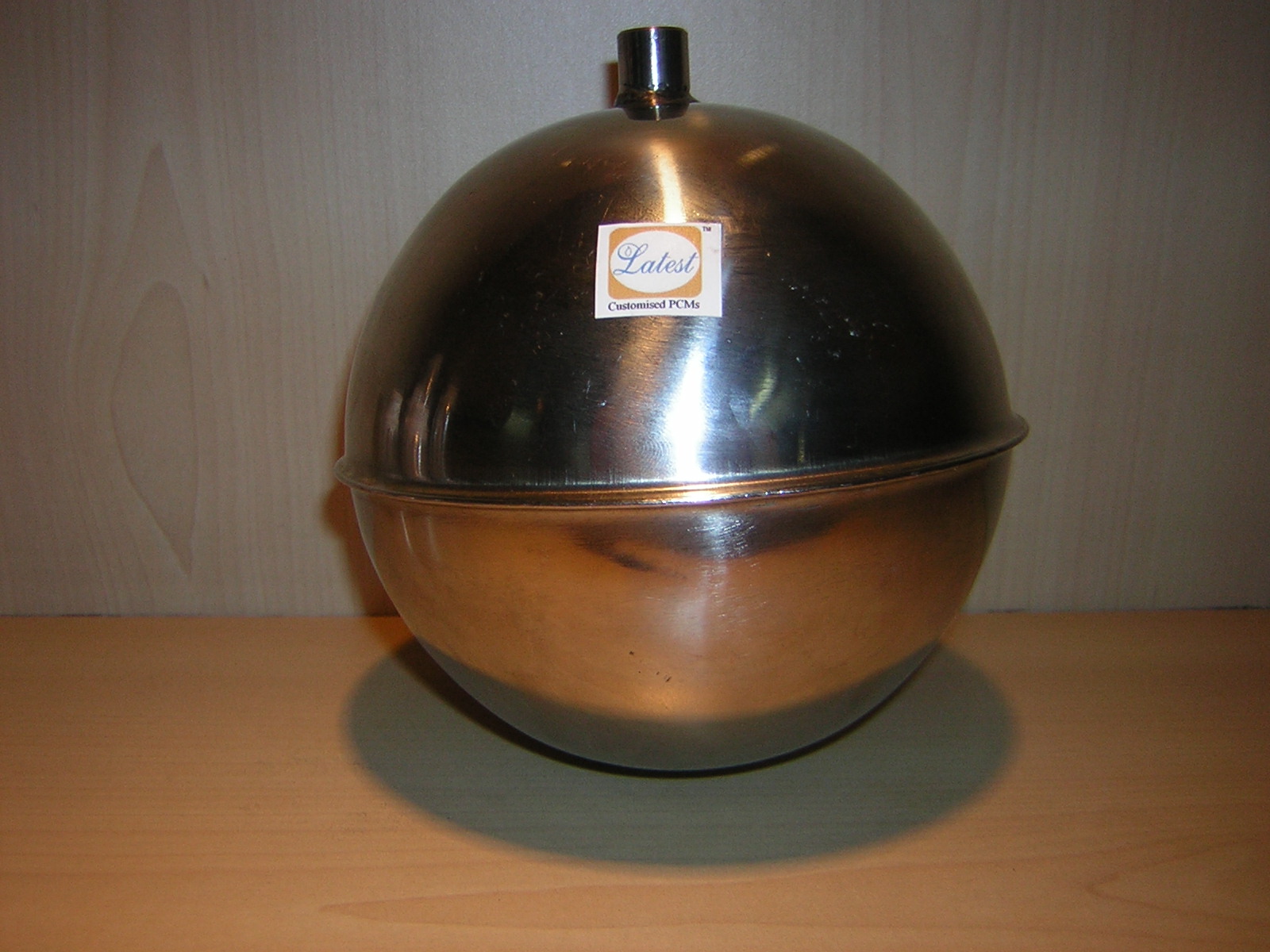
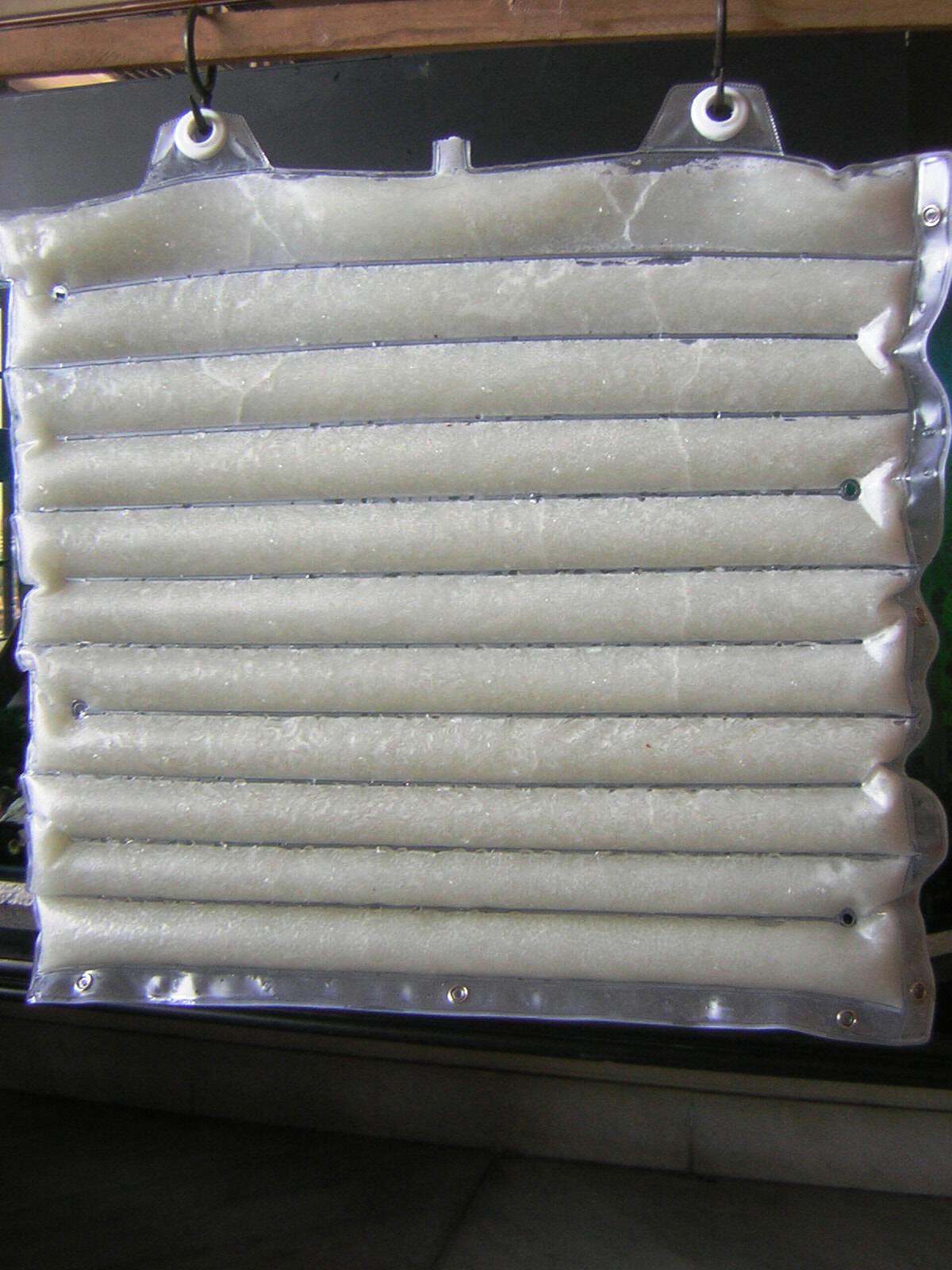
PCM filled Panels -------------------------------------- PCM filled SS Ball ---------- Jacket
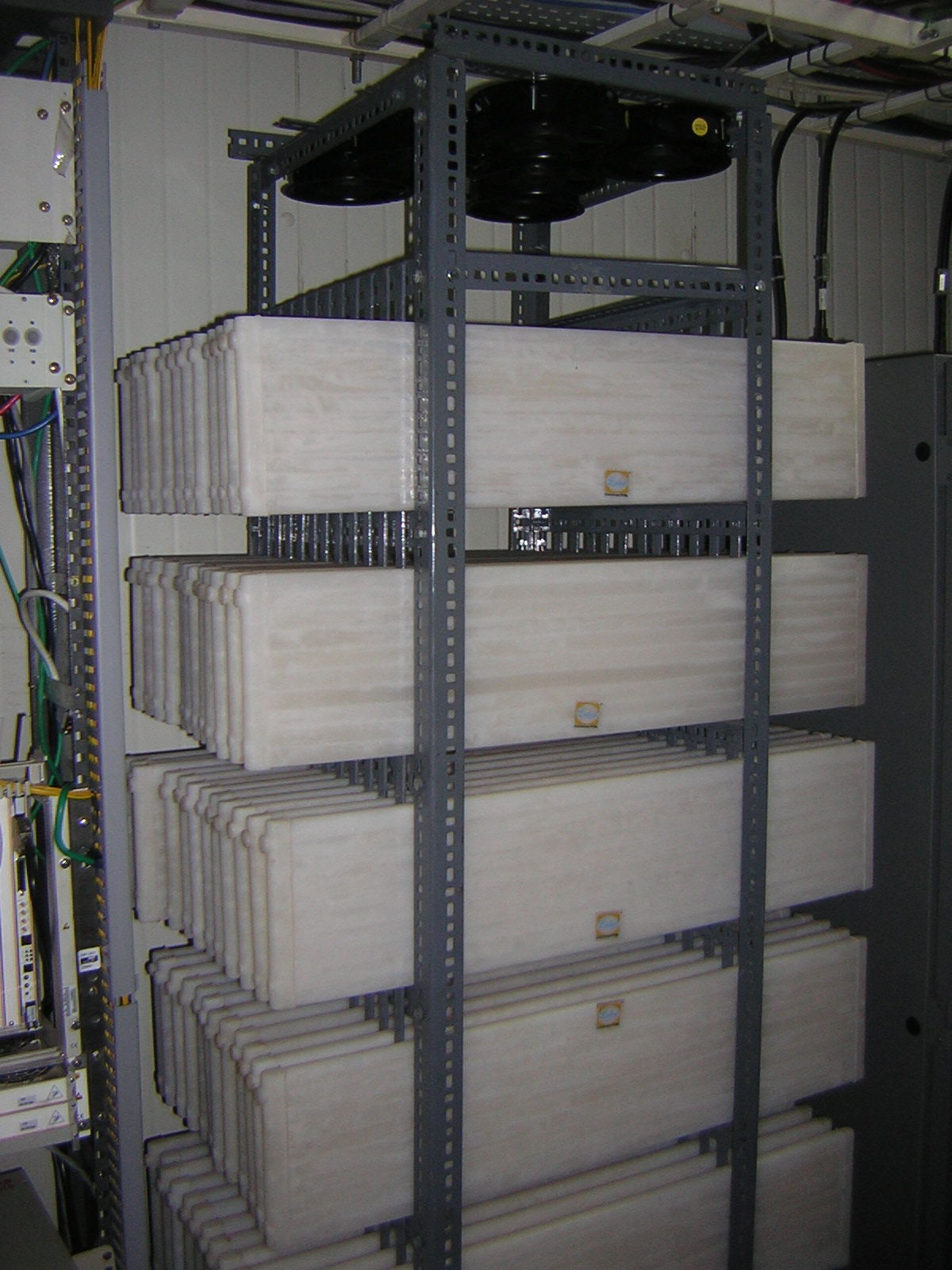
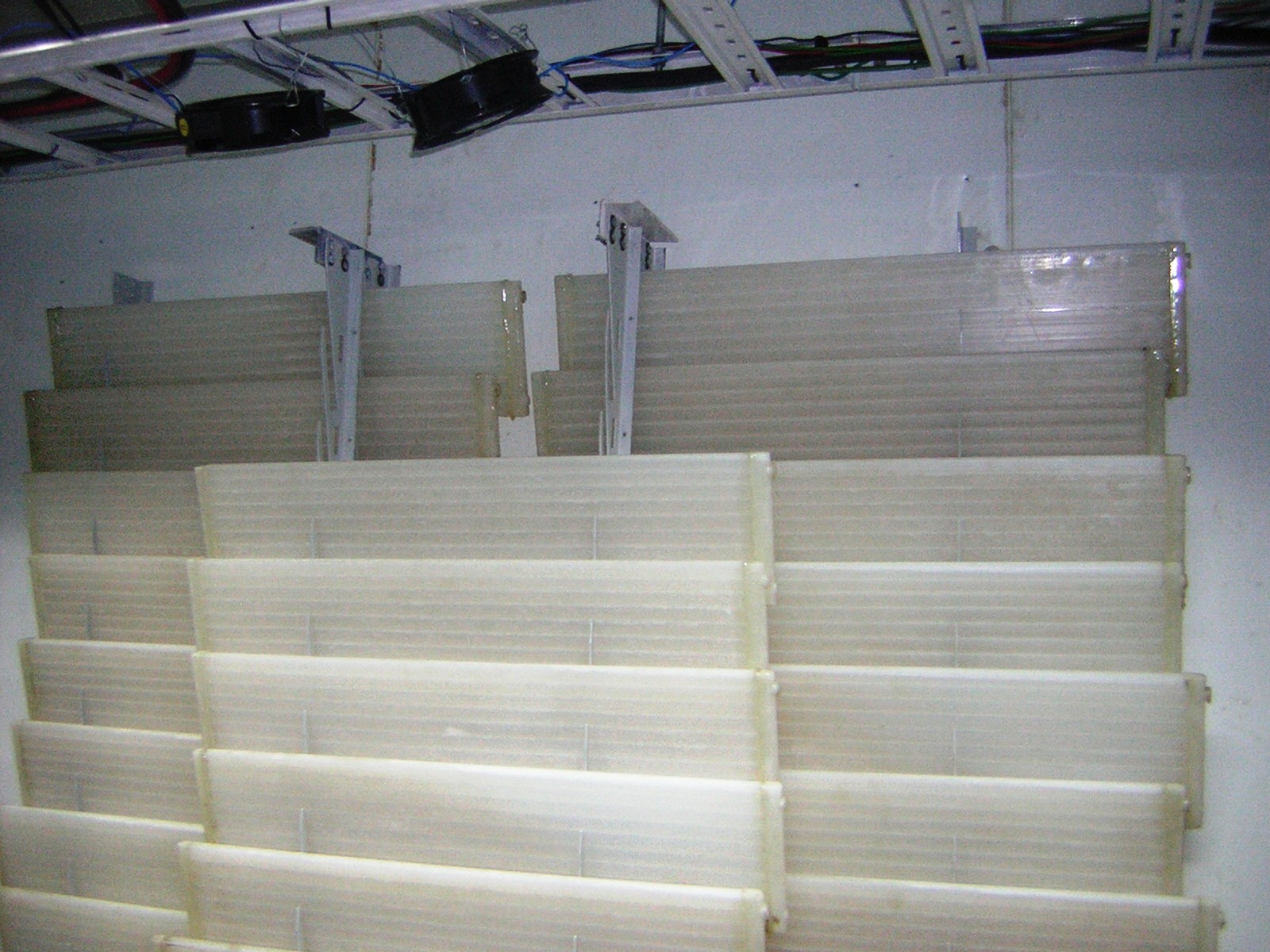
Electronic Cooling
Neatly Packed PCM Profiles in BTS Telecom Shelter

Natural Air-conditioning with PCM in Roof
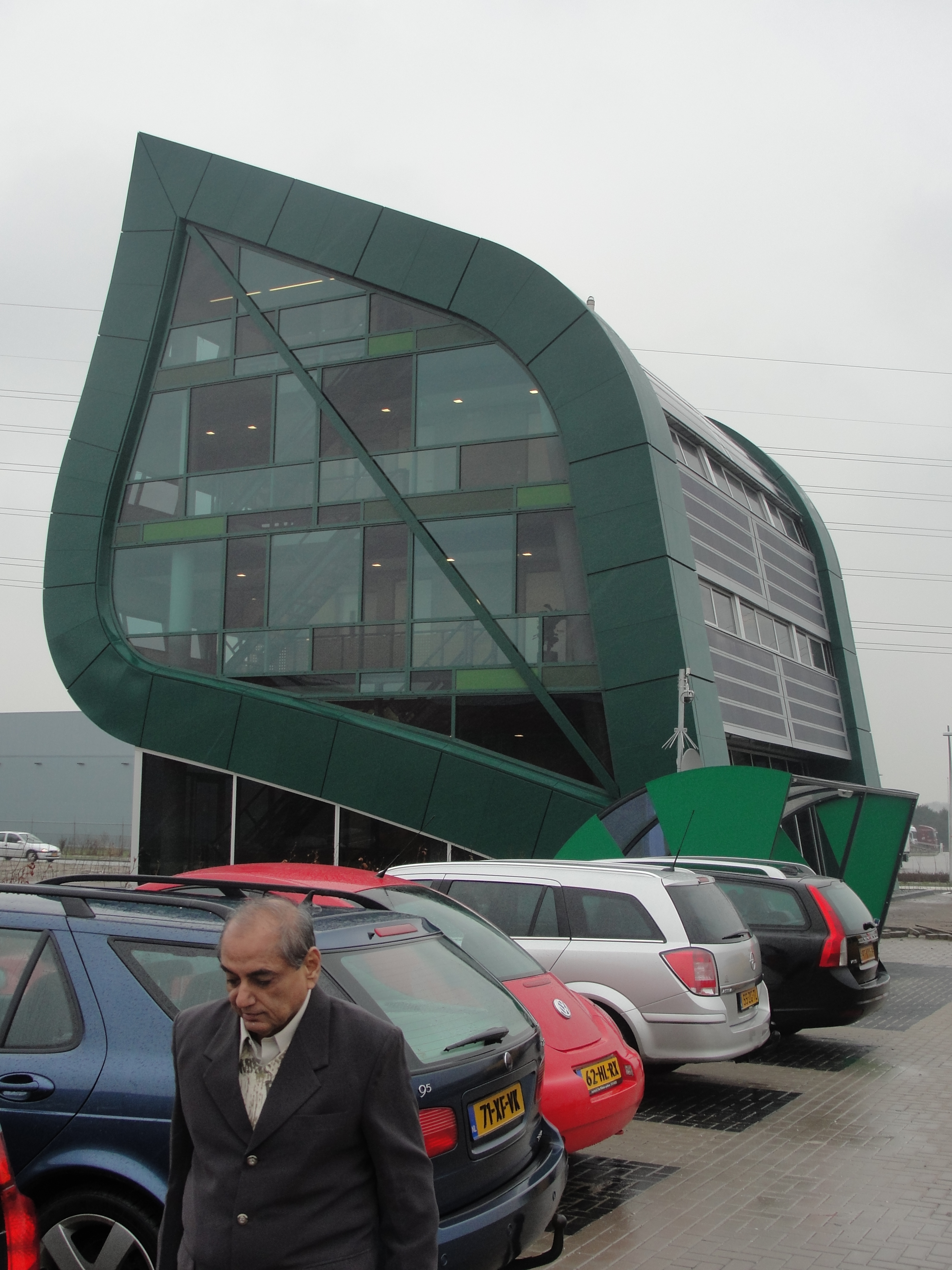
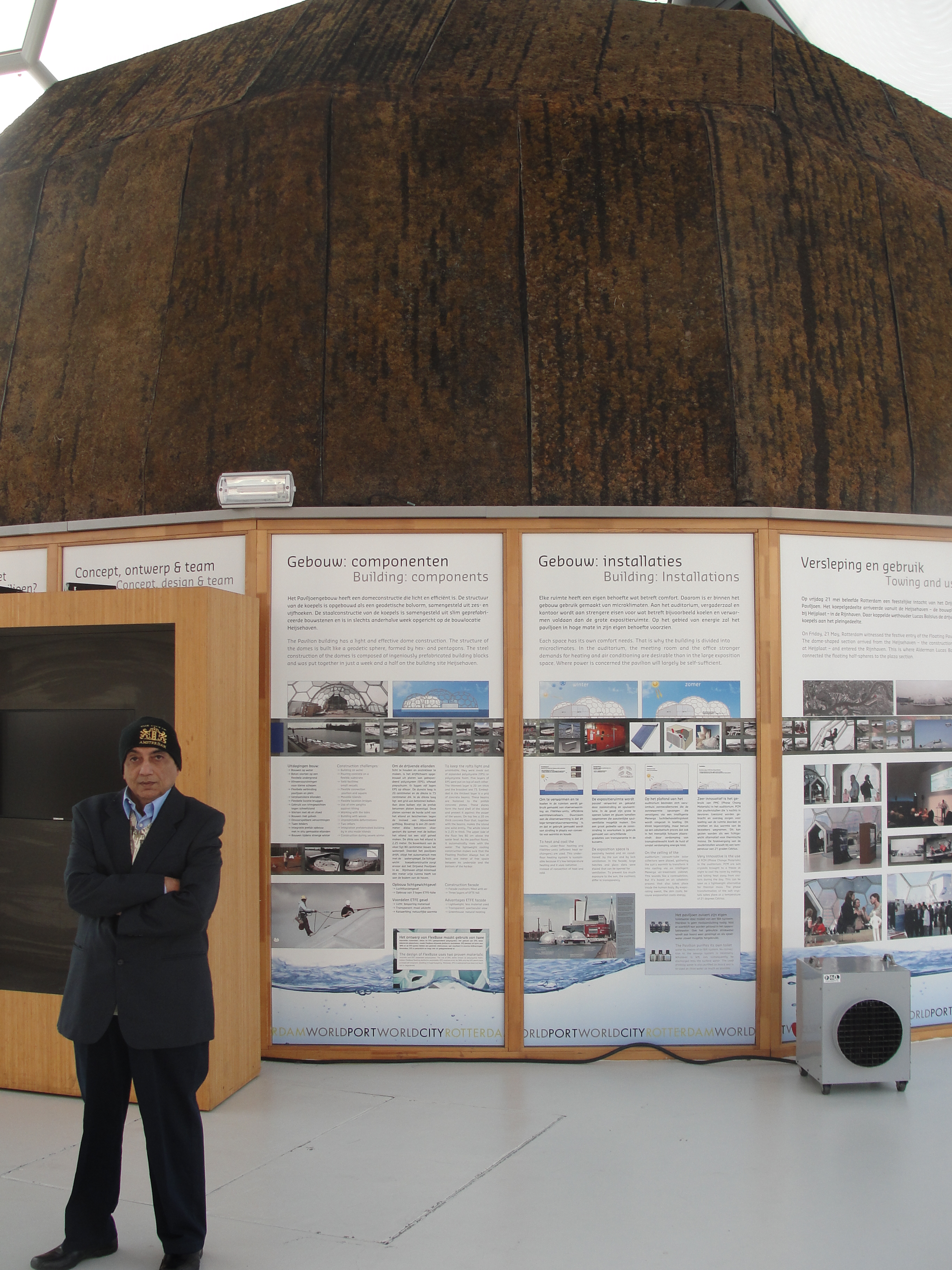
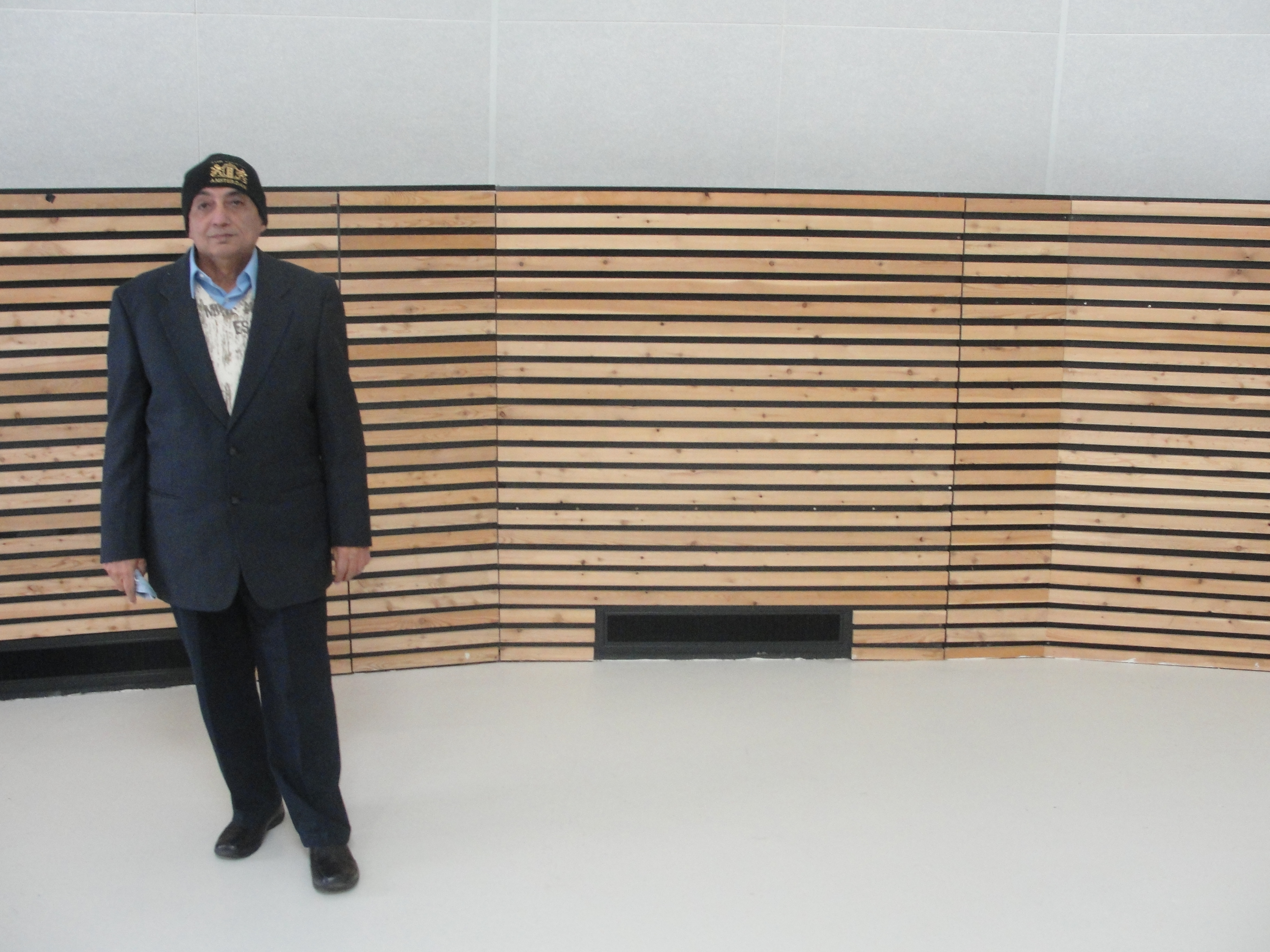

PCM Phase Change Material Cooled AC Air Conditioning done in Netherlands
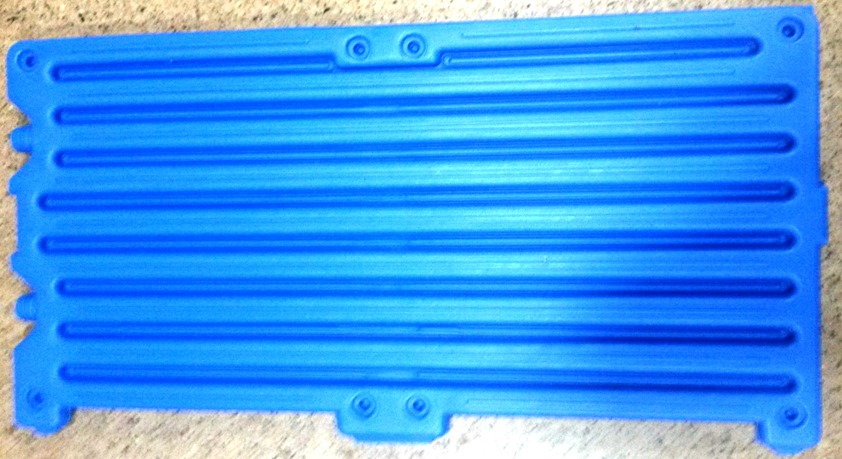
Stackable HDPE Heat Exchange Panels.
Barter
They who love thee on this earth, keep calling on thee and chanting thy beads
Lest thou forgetest.
They assign the credit of their hard work to your blessings
They keep you amused.
They come to thy temple with baskets of fruits, as if you were a glutton
They deny the same to their children.
They offer you milk for a bath and burn the ghee
They hardly understand the meaning of it.
They bring gold and diamonds. They come with beating of drums
They love to advertise their offerings.
They offer you a small bribe as advance for booty, called lottery
They love to dream.
I do not bow down at your door
I do not bargain for booty
Your promise of the heaven does not lure me
Your hell-fire does not scare me
I do not even know the proper method of prayer
I do not offer any thing to you
Ages have gone by and I have not seen you my lord
Yet my love for you keeps waiting for you
We are exporters to USA, Canada, UAE, Europe, South Africa, Tanzania, Kenya, Nigeria, Egypt, Uganda, Turkey, Mexico, Brazil, Chile, Argentina, Dubai, Sweden, Finland, Norway, Netherlands, Denmark Greenland, Norway, UK, Ireland, Germany, Belgium, Switzerland, Czech Rep., Slovakia, Scotland, Poland, Belarus, Germany, Austria, France, Ukraine, Australia, Spain, Italy, Vietnam, Thailand, etc.