 |
Teappcm, is the pioneer manufacturer supplier of Phase Change Materials for Air condition and heating, Electronic cooling etc and various Related Chemicals in India USA etc. It has several associated manufacturing facilities spread across the globe. No other vendor in the world knows the subject better than us. The participating units have one or more of the certifications like ISO-9001, ISO-22000, Halal & Kosher Cettification. We also have "REACH" Preregistration. |
| Bookmark this Website Site | Email This Website Info to a Colleague or Yourself |






General Products --
Phase Change Material Air Condition, Green House & Electronic Cooling --
A.C. Backup Phase Change Material --
Encapsulation Method of PCM --
Telecom Shelters Electronic Cooling Phase Change Material --
FAQ
Phase Change Material PCM Manufacturers - Green House, Electronics cooling...
T-series 18Cto29C: Phase Change Material, PCM LatestTM Brand with Melting Point 29°C and Latent Heat of fusion 170 K.Joule/Kg or 255 K.Joule/liter. It is best suited for Air-Condition Back-up to BT Shelter or Telecom Shelter. Other M.P. grades are summarized in the link.
S-series 32Cto45C: PCM Latest TM Brand with Melting Point 36°C and Latent Heat of fusion 260 K.Joule/Kg or 357 K.Joule/liter. It is best suited for Air-Cooled Outdoor BTS and Electronic Cooling. Other grades are summarized in the link.
Freezer Salt: PCM used for maintaining the temperature at 0°C, you get it free; use tap water. Ask us for other target temperatures like -50°C, -25°C, -10°C, -16°C, -10°C, -4°C, +4°C, +7°C, +10°C, +15°C +30°C and so on.
Air Condition: Until very recently, pcms were not reliable enough to be used in air condition. We have developed pcm with almost infinite life and good performance in the human comfort range of 18°C (64°F) to 29°C (84°F) and further for electronic comfort at higher temperature. If your interest is in air condition then go to Phase Change Material Air Condition, Green House & Electronic Cooling.
Telecom Enclosure and Electronic Cooling: PCM or Phase Change Material widely used in Telecom Enclosures (BT Shelters) is LatestTM29T for Air-condition. If your interest is only in PCM for Electronic Cooling & Telecom Shelter then go to our Page Telecom Shelters Phase Change Material and
A.C. Backup Phase Change Material.
Hot Pads and Solar Heating systems use our PCM LatestTM58, melting at 58°C.
We cannot help making a negative comment on the products offered by other brands. Most of the brands are offering Thermal Salt 29 that freezes at less than 18°C, making them practically useless in tropical regions. The shelf life of some of the vendors is hardly 45-60 day, making its use by long distance importers almost impractical. Most of such vendors are not manufacturer of the major ingredients but only compounders. Often, they are one-man-show manufacturers and quote fancy prices for the product. With the information technology to their aid, they make fancy web sites and manage to squeeze the buyers. We have six manufacturing units, owned and managed by family members and most of the ingredients are manufactured by us.
PCM THERMAL ENERGY STORAGE PRODUCT PHASE CHANGE MATERIAL T-series Latest™
TECHNO-COMMERCIAL STATEMENT OF PCM PRODUCT T-series Latest™.
| PCM Energy P. Ltd | PCM Latest™ |
| Product | Latest™29T also any other grade like Latest™18T, Latest™20T, Latest™22T, Latest™25T |
| Series | T-series Latest™ |
| Description | Viscous Semi-Solid near Phase Change Temperature |
| Appearance | Translucent |
| Base Material | Inorganic Salts |
| Phase Change Temperature | 28°-30°C |
| Sub Cooling | 2°C max |
| Specific Gravity | 1.48-1.50 |
| Latent Heat Practically | 175 Joules/g |
| Latent Heat Theoretical | 188 Joules/g |
| Spec. Heat | 2 Joules/g°C |
| Thermal Conductivity | 1Watt/m °C |
| Congruent Melting | Yes |
| Flammability | No |
| Hazardous | No |
| Thermal Stability | > 10000 cycles |
| Max. Operating Temperature | 100°C |
| Rates | Available on request |
T-series is the Latest in PCM technology, Generation-X. It is not degradable with time. It can be used in thicker layers greater than 1” (>25mm). This product has made the earlier PCMs obsolete.
For a Live-Site Trial of Back-up Air-conditioning with Thermal Salt Latest™29T visit our Bookmark on Live Site Trial in Telecom Shelters
Table of Cycle No. V/s Latent Heat & Sub Cooling for PCM Latest™29T
| Cycle No. | Latent Heat KJ/Kg & Sub-cooling in C |
| 100 | LH 196 KJ/Kg & Sub-cool 0.5C |
| 200 | LH 188 KJ/Kg & Sub-cool 1C |
| 300 | LH 188 KJ/Kg & Sub-cool 0.9C |
| 400 | LH 192 KJ/Kg & Subcool 0.8C |
| 500 | LH 185 KJ/Kg & Sub-cool 0.7C |
| 1000 | LH 178 KJ/Kg & Sub-cool 1C |
| 1500 | LH 172 KJ/Kg & Sub-cool 1.3C |
| 2000 | LH 175 KJ/Kg & Sub-cool 1.2C |
| 2500 | LH 178 KJ/Kg & Sub-cool 1.3C |
| 3000 | LH 170 KJ/Kg & Subcool 1.4C |
The Error in measurement of Latent Heat can be up to 5% and The Thermometer Sensor can be off by 0.5°C
Phase Change Materials (PCMs) are "latent" thermal storage materials. They use chemical bonds to store and release heat. The thermal energy transfer occurs when a material changes from a solid to a liquid, or from a liquid to a solid form. This is called a change in state or "phase." Initially, these solid-liquid PCMs perform like conventional storage materials; their temperature rises as they absorb heat. Unlike conventional heat storage materials, when PCMs reach the temperature at which they change phase (their melting point), they absorb large amounts of heat without getting hotter. When the ambient temperature in the space around the material drops, the PCM solidifies, releasing its stored latent heat. PCMs absorb and emit heat while maintaining a nearly constant temperature. Within the human comfort and electronic-equipment tolerance range of 20°C to 36°C, latent thermal storage materials are very effective. The main applications for PCMs are when space restrictions limit larger thermal storage units in direct gain or sunspace passive solar systems. PCM may be used in Thermal Enclosures like Telecom Shelter Chambers BTS or BT Shelters or solar domestic hot water heating or passive solar space heating/cooling systems or in air-conditioning & refrigeration or cool-clothing.
Glauber's salt, Soda Ash, Sodium Acetate and paraffin wax are the most commonly used PCMs in solar heating systems. Although these compounds are fairly inexpensive, the packaging and processing necessary to get acceptable performance from them is complicated and costly. They are not offering a reliable pattern of releasing heat as the chemicals in these PCMs separate and stratify when in their liquid state. These PCMs have not always re-solidified properly. When temperatures dropped, they did not completely solidify, reducing their capacity to store latent heat. These problems have been addressed by packaging phase change materials in thin or shallow containers, and by adding clumping agents. Many salt hydrate PCMs have the disadvantage that during extraction of stored heat the material super-cools before freezing. This reduces the utility of the materials and if too severe, it can completely prevent heat recovery. They lose their heat storage property after some cycles. These types of Phase Change Materials, however, compare unfavorably with the newer generation of low-cost, highly efficient PCMs. Researchers now label these older compounds as "limited utility" Phase Change Materials PCMs. Phase Change Material perform best in containers that—when combined with the PCM—total one inch (25.4 millimeters). However, our T-Series Latest™ PCMs have defied this restriction. The packaging material should conduct heat well; and it should be durable enough to withstand frequent changes in the storage material's volume as phase changes occur. It should also restrict the passage of water through the walls, so the materials will not dry out. Packaging must also resist leakage and corrosion. Aluminum, steel and polyethylene are common packaging materials.
Thermal Energy Storage Salt Latest™29T
Our Renewable Energy Thermal Salt Latest™29T is a mixture of several ingredients. Most of these items are manufactured by us or by our sister concerns. Its properties are as under:
Specific Gravity: 1.5
Freezing Point: 28°C
Melting Point: 29°C
Latent Heat of Fusion: 175 KJoule/Kg (40 K. Cal/Kg). 255 KJ/ltr (60000 KCal/Cu.m)
*Most manufacturers report the heat of fusion in a temperature range, like 20°C to 35°C. The specific heat of PCM in this range will get added to
the values. For this temperature range
*Latent Heat of Fusion: 210 KJoule/Kg (50 K. Cal/Kg)
Shelf Life: Infinite
Max. Operating Temp.: 100°C
210 Kg of Latest29T PCM (10KWH) filled profiles were installed in an Existing Telecom Shelter of 2m Length by 2.5m width by 2.7m Height. Five thermometers were installed to measure temperature at various points. The Air-condition was switched off when the temperature was 17.3oC. Ambient temperature was also measured. The battery voltage was observed as per the instruction of the site-officer. The permissible maximum temperature that can be reached was targeted to 36°C. This temperature was not reached in 6 Hours of the run. In a blank reading without Latest29T PCM the target maximum temperature crossed in less than 1 hour.
TECHNO-COMMERCIAL STATEMENT OF PCM PRODUCT PHASE CHANGE MATERIAL THERMAL ENERGY STORAGE S-series Latest™
| PCM Energy P. Ltd. | PCM Latest™ |
| Product | Latest™36S also other grades like Latest™32S, Latest™34S, Latest™48S |
| Series | S-series Latest™ |
| Description | Viscous Semi-Solid near Phase Change Temp. |
| Appearance | Cream or Gray |
| Base Material | Inorganic Salts |
| Sub Cooling @ 1000 cycles | Small |
| Specific Gravity | 1.45 |
| Latent Heat Theoretical | 260 Joules/g - |
| Latent Heat Practical | >200 Joules/g - >220 Joules/g - >230 Joules/g - >230 Joules/g |
| Spec. Heat | 2 Joules/g oC |
| Thermal Conductivity | 0.6Watt/m oC |
| Congruent Melting | Yes |
| Flammability | No |
| Hazardous | No |
| Thermal Stability | > 10000 cycles |
| Max. Operating Temp. | 100°C |
| Rates | Available on request |
LatestTM 32S, Latest™ 34S, Latest™ 45S salts are similar to Latest™ 36S.
Thermal Energy Storage Salt Latest™ 36S.
Our Renewable Energy Thermal Salt Latest™36S is a mixture of several ingredients. Most of these items are manufactured by us or by our sister concerns. Its properties are as under:
Specific Gravity: 1.4
Melting Point: 36oC.
Latent Heat of Fusion: 250 KJoule/Kg (60 K. Cal/Kg) or 340 KJoule/liter (81000 KCal/Cu.m)
*Most manufacturers report the heat of fusion in a temperature range, like 20°C to 40°C. The specific heat of PCM in this range will get added to
the values. For this temperature range.
*Latent Heat of Fusion: 300 KJoule/Kg (72 K. Cal/Kg).
Thermal Expansion: The coefficient of thermal expansion is the least offered in the industry. This eliminates cracking or shattering of containers and tubes.
Max. Operating Temp.: 100°C
Our Thermal Energy Storage Salt Latest™36S is a mixture of several ingredients. Most of these items are manufactured by us or by our sister concerns.
*Most manufacturers report the heat of fusion in a temperature range, like 20°C to 40°C. The specific heat of PCM in this range will get added to the values. For this temperature range
Thermal Expansion: The coefficient of thermal expansion is the least offered in the industry. This eliminates cracking or shattering of containers and tubes.
Max. Operating Temp.: 100°C
Hermetically Sealed Profile of Any Size Like 16mm*160mm*1000mm OR 20mm*200mm*850mm or ….. etc, offered in Polymer or Aluminum filled with desired Grade of PCM i.e. Phase Change Material. We can give PCMs in Aluminum or Pet Bottles, HDPE or SS Balls or in Aluminum Sinks or in any container as per your choice.
PCM Phase Change Material Thermal Energy Storage Salt Manufacturers
Teappcm
TEL: 91-22-23770100, 23774610, 23723564. FAX: 91-22-23728264.
Email: anmol@pcmenergy.com
Copyright and Usual Disclaimer is Applicable.
Last updated:
22 February, 2022
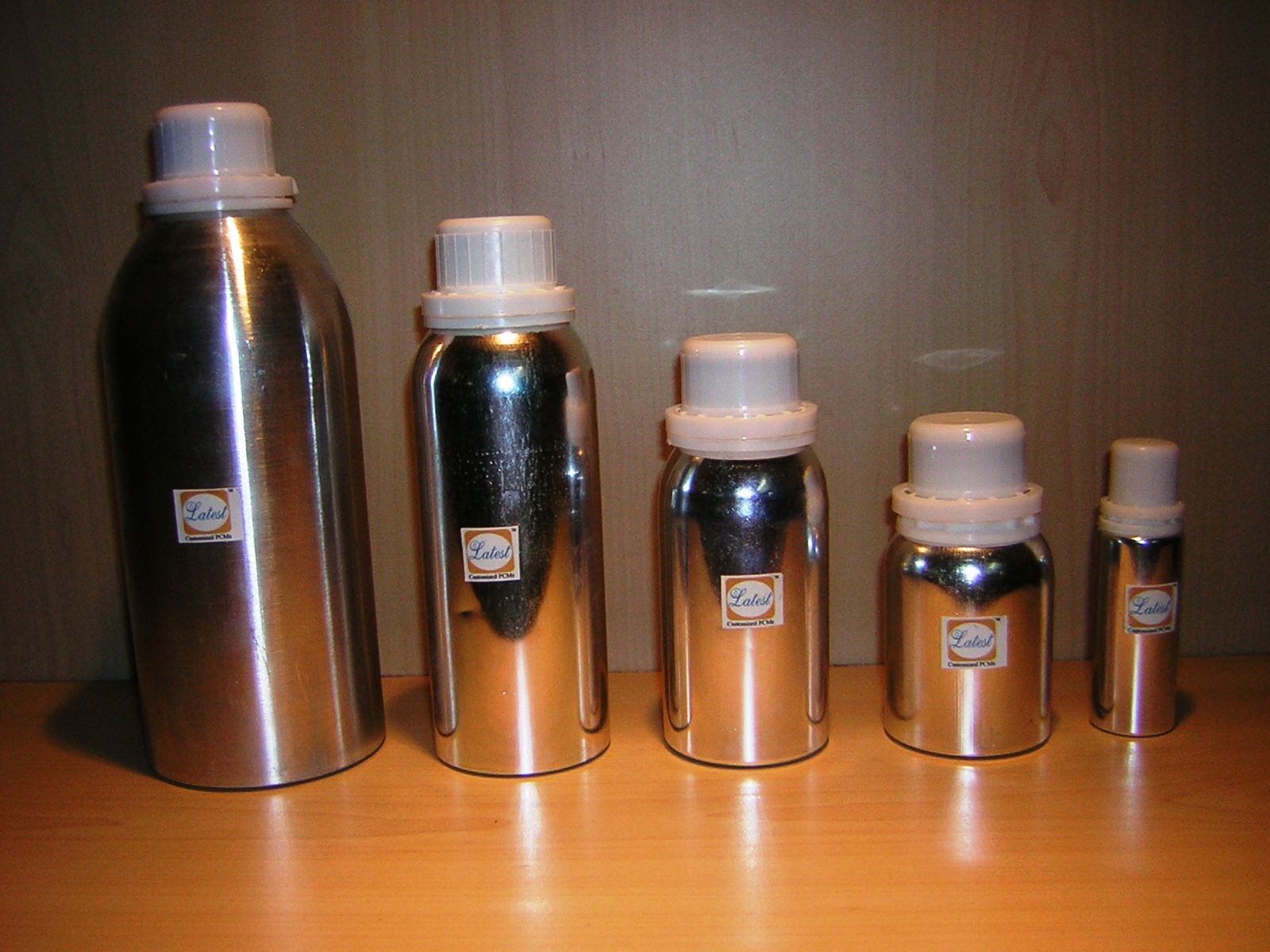

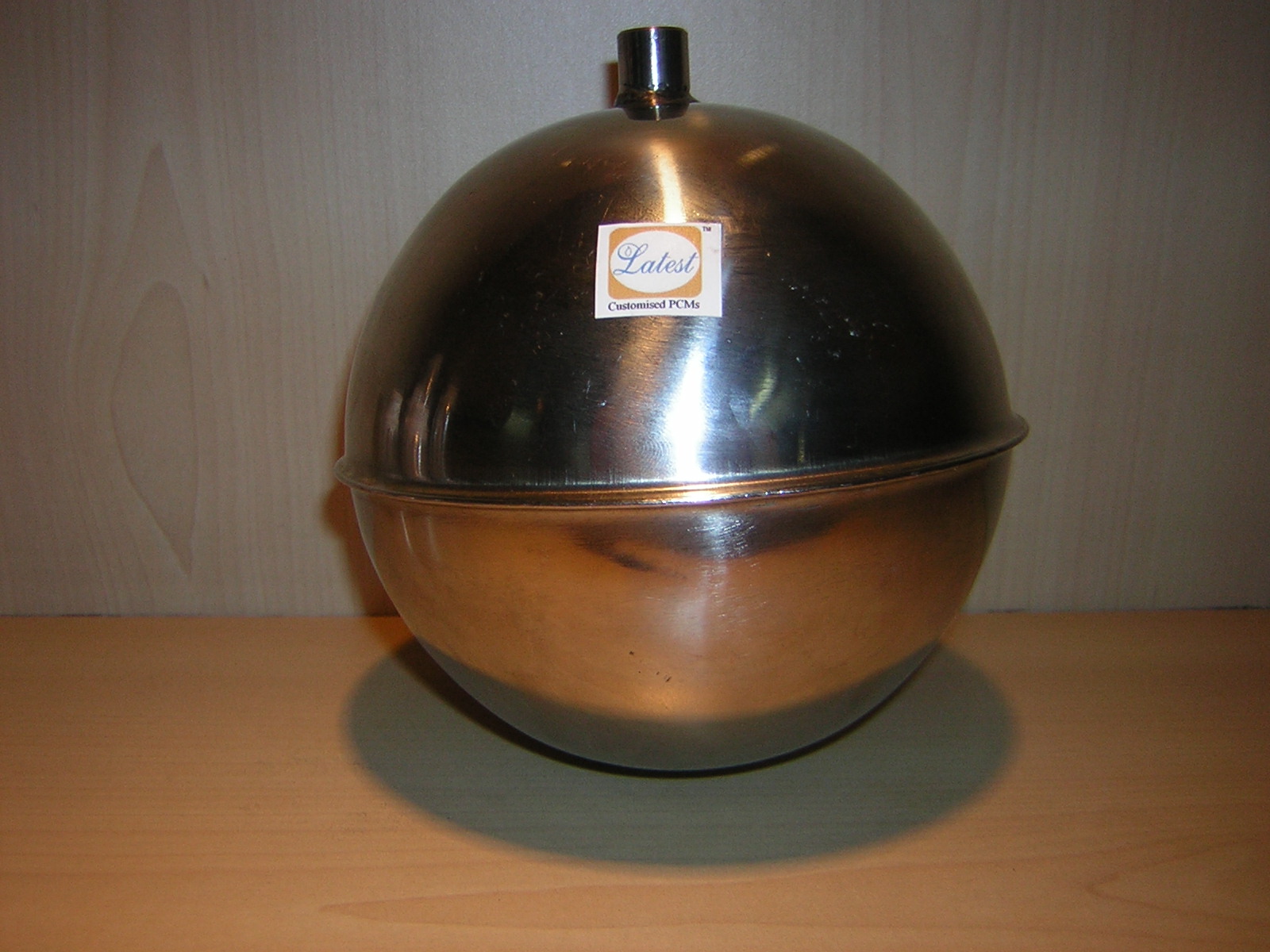
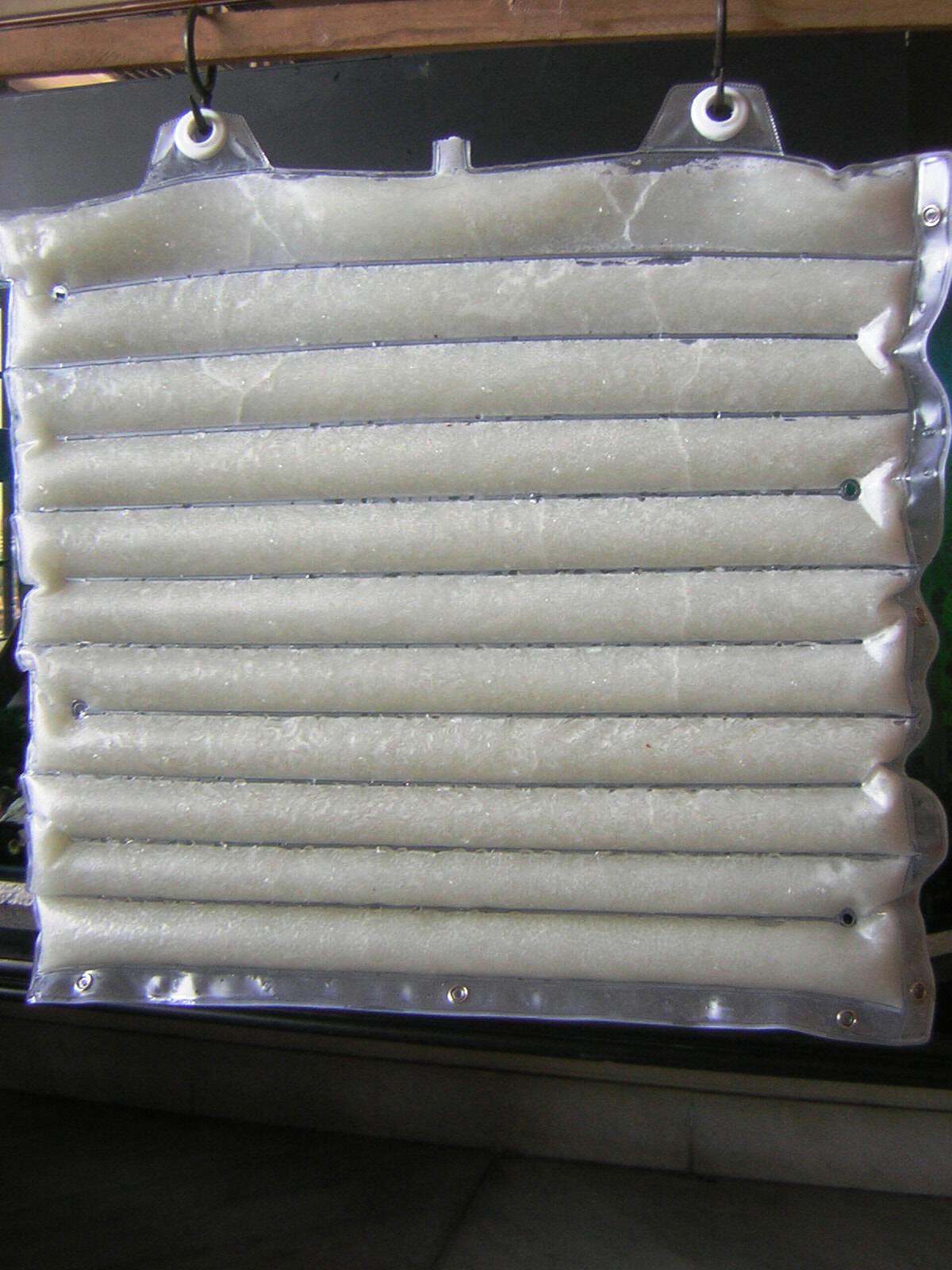
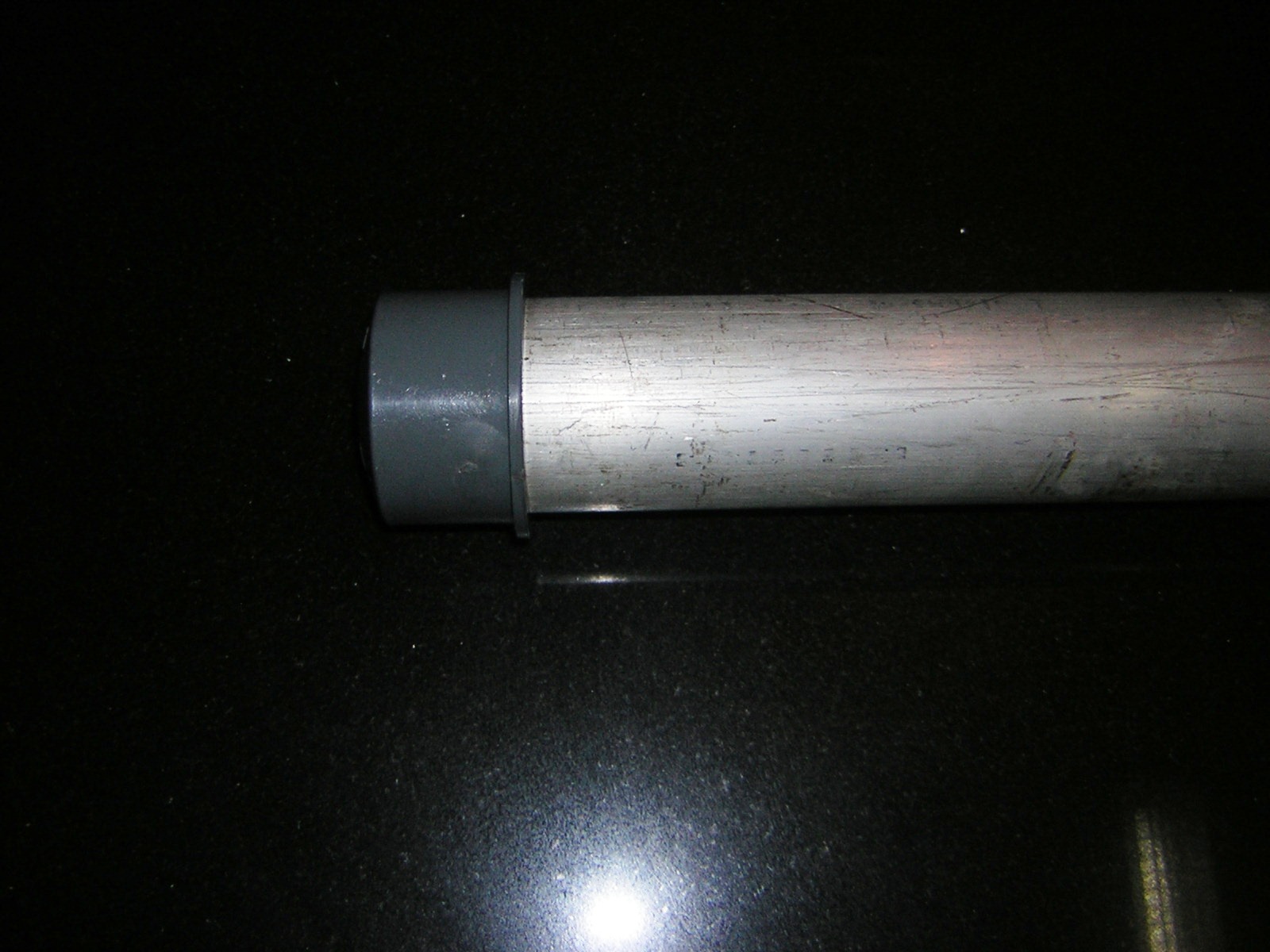
------------------------------ PCM filled Panels -------------------------------------- PCM filled SS Ball ---------- Jacket ------------------ Aluminum Pipe --
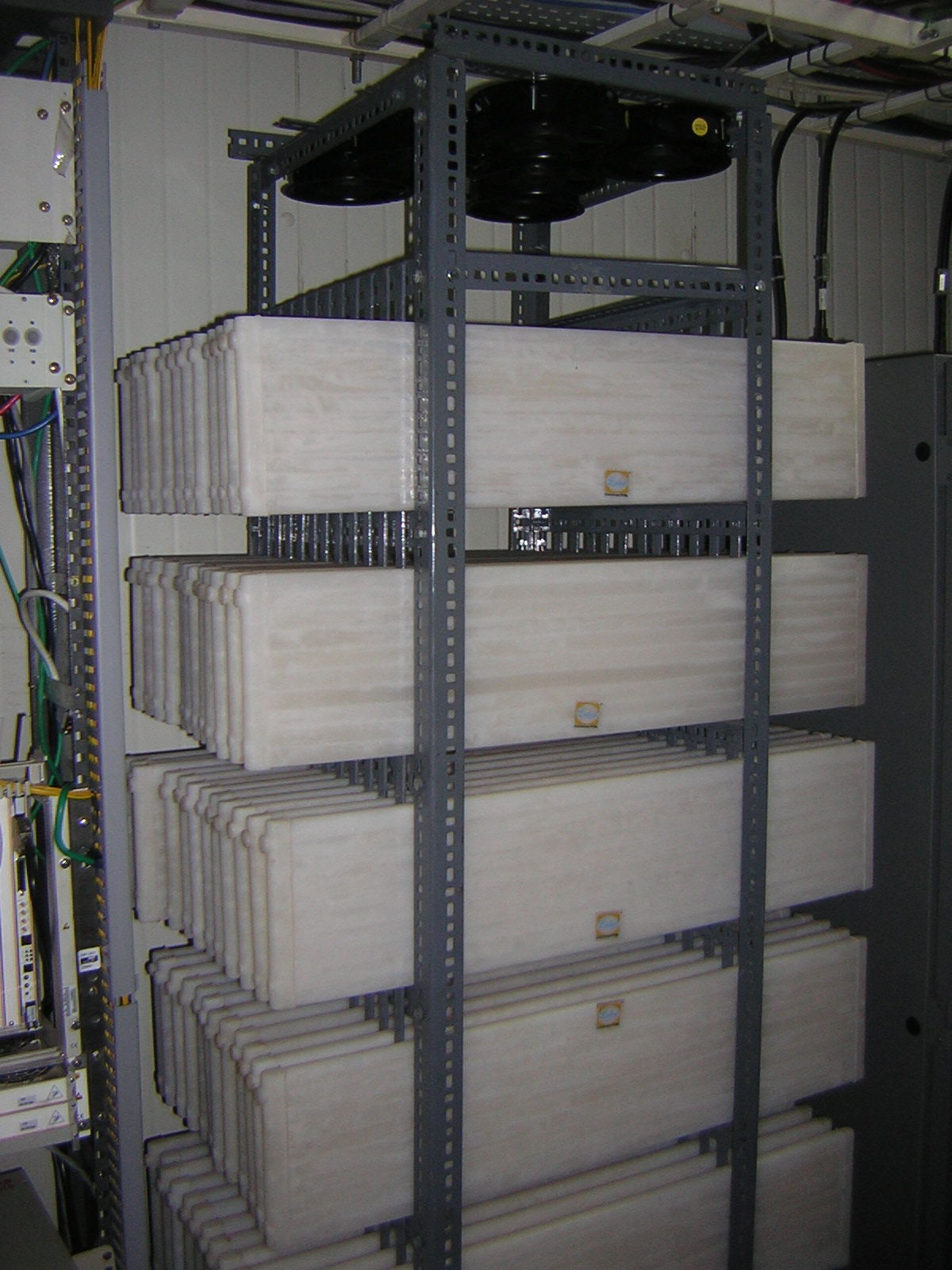
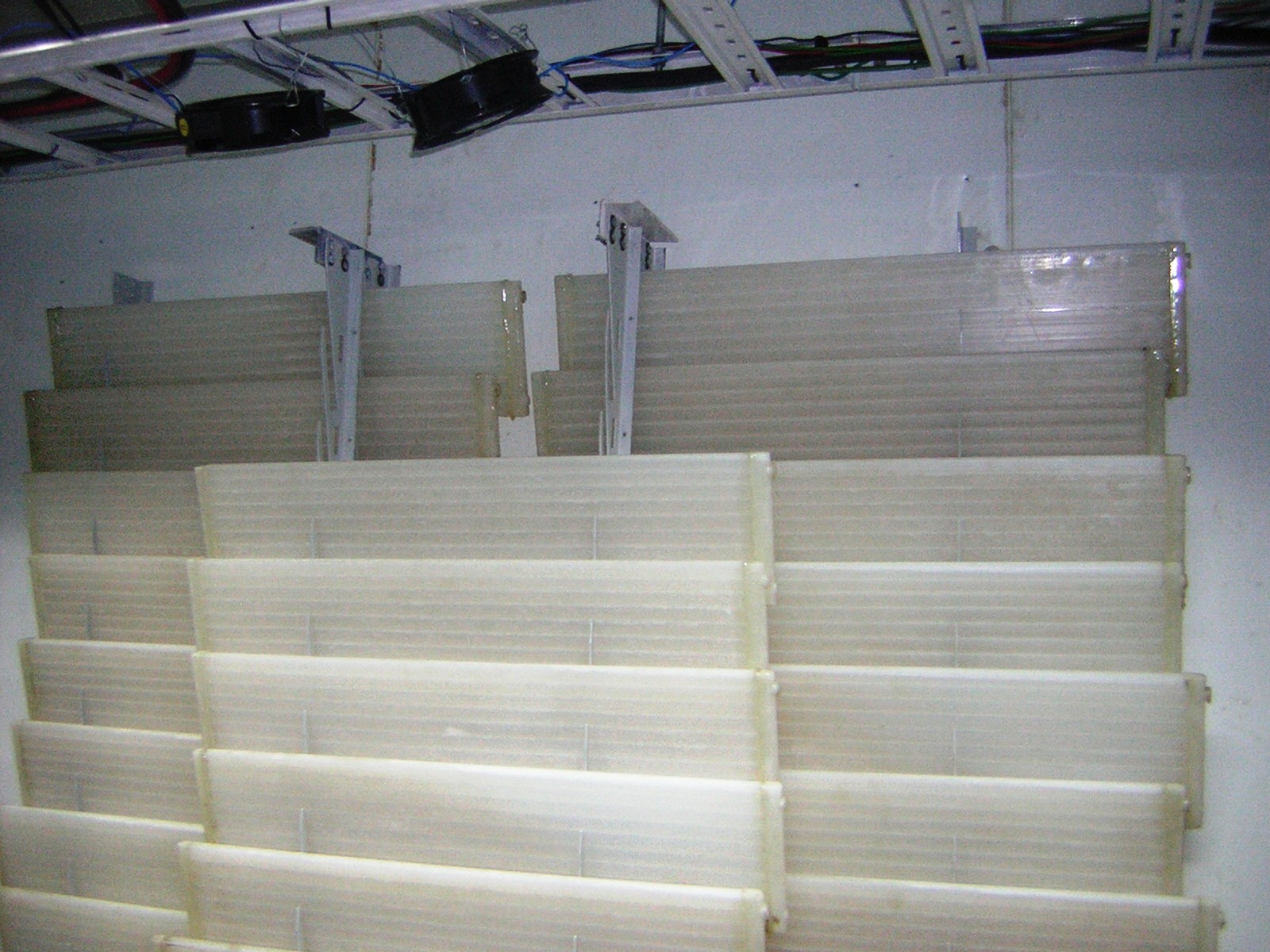
Electronic Cooling
Neatly Packed PCM Profiles in BTS Telecom Shelter
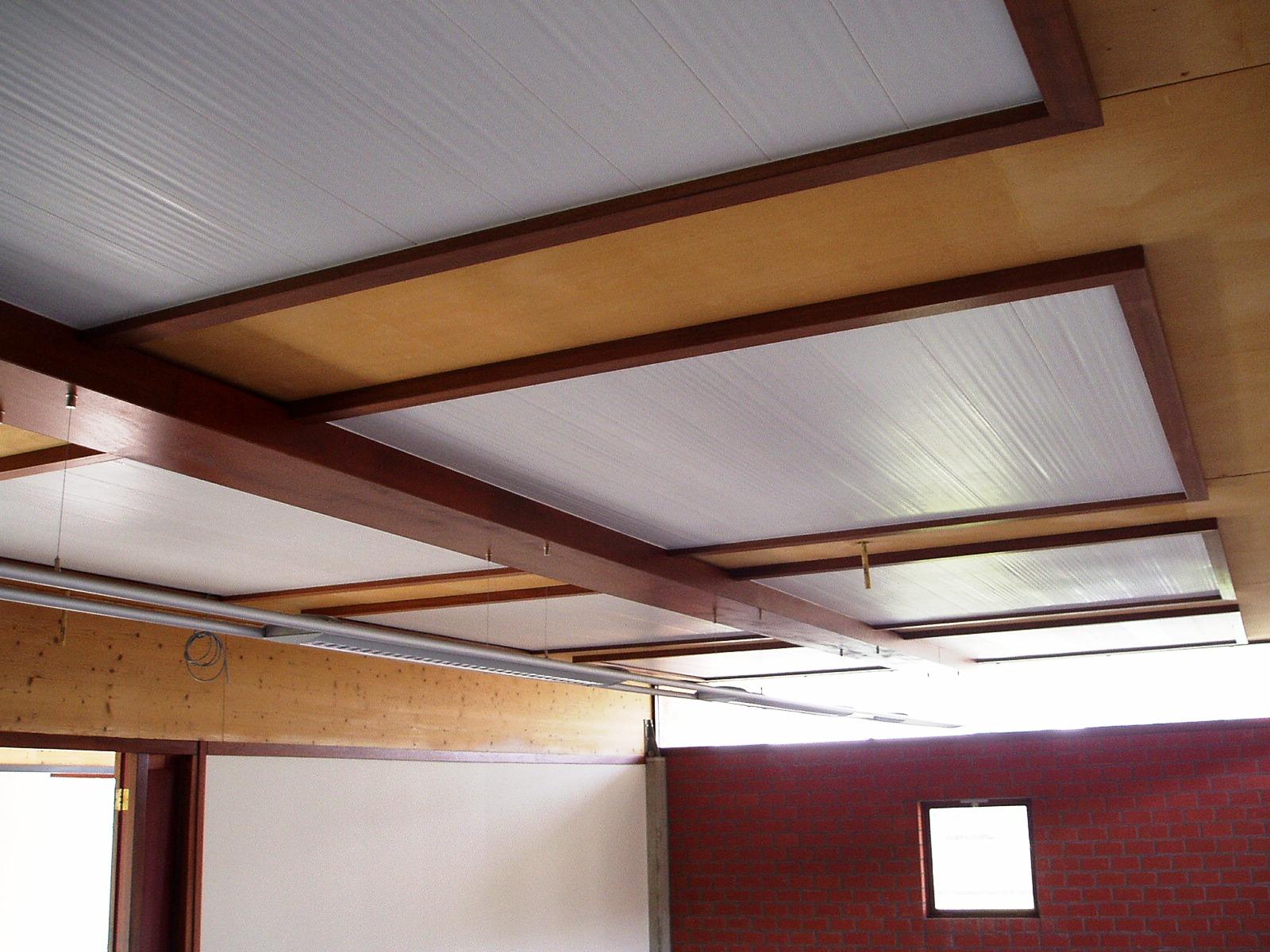
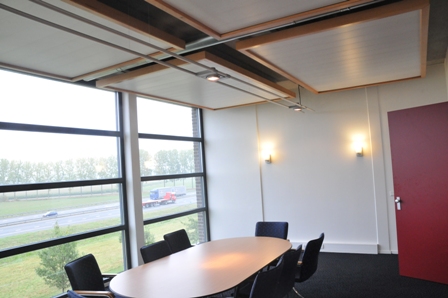
Natural Air-conditioning with PCM in Roof
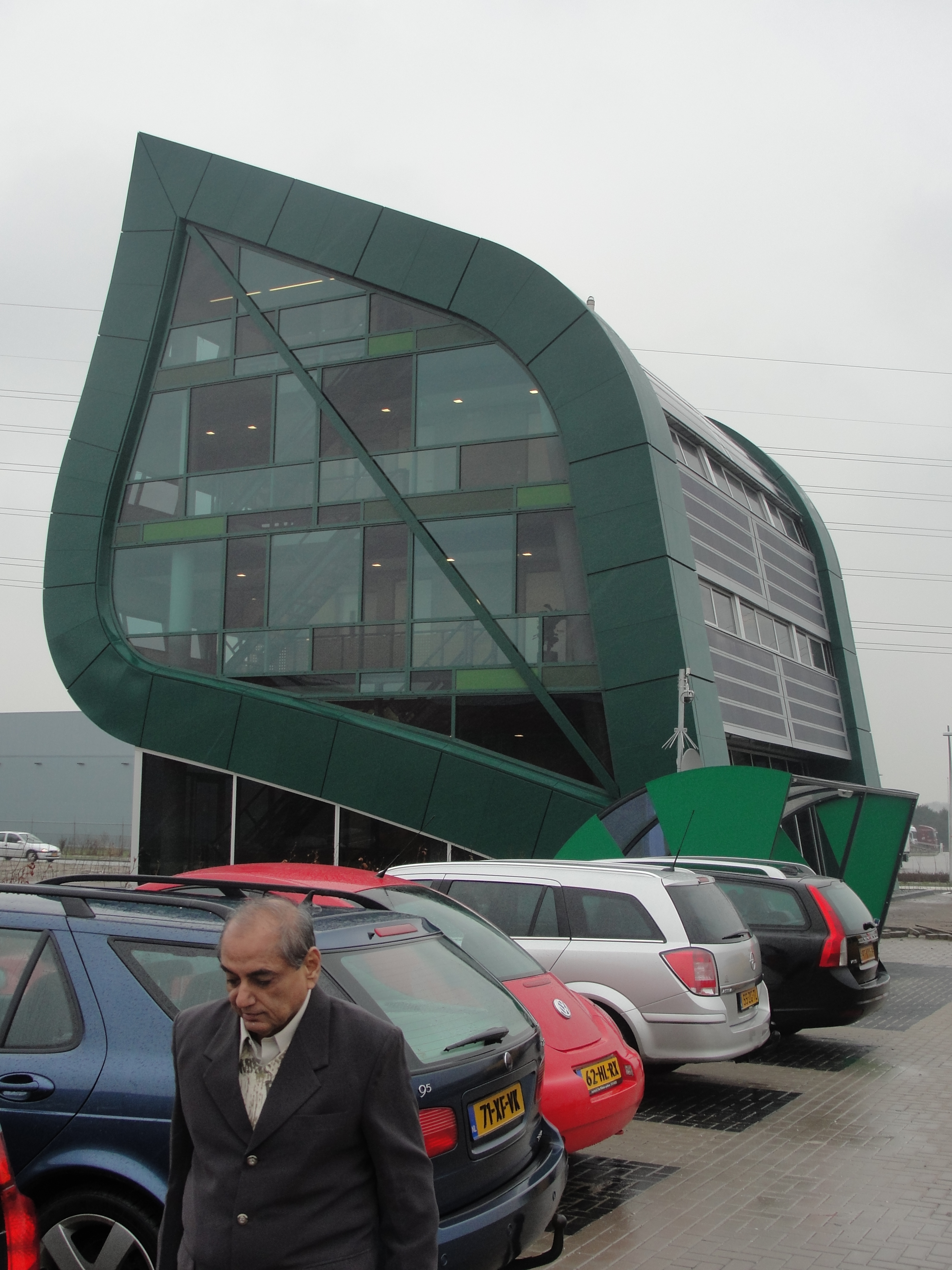
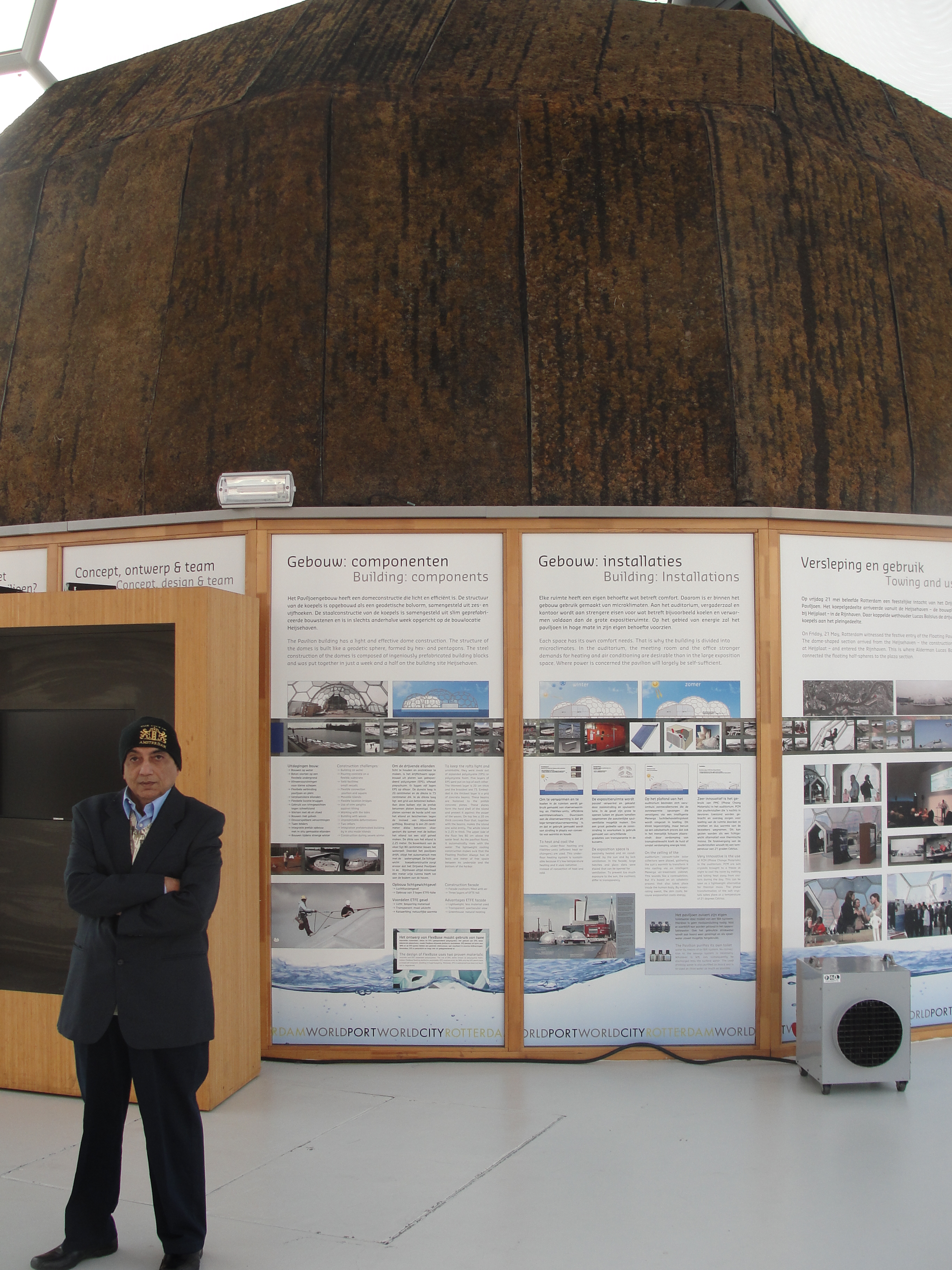
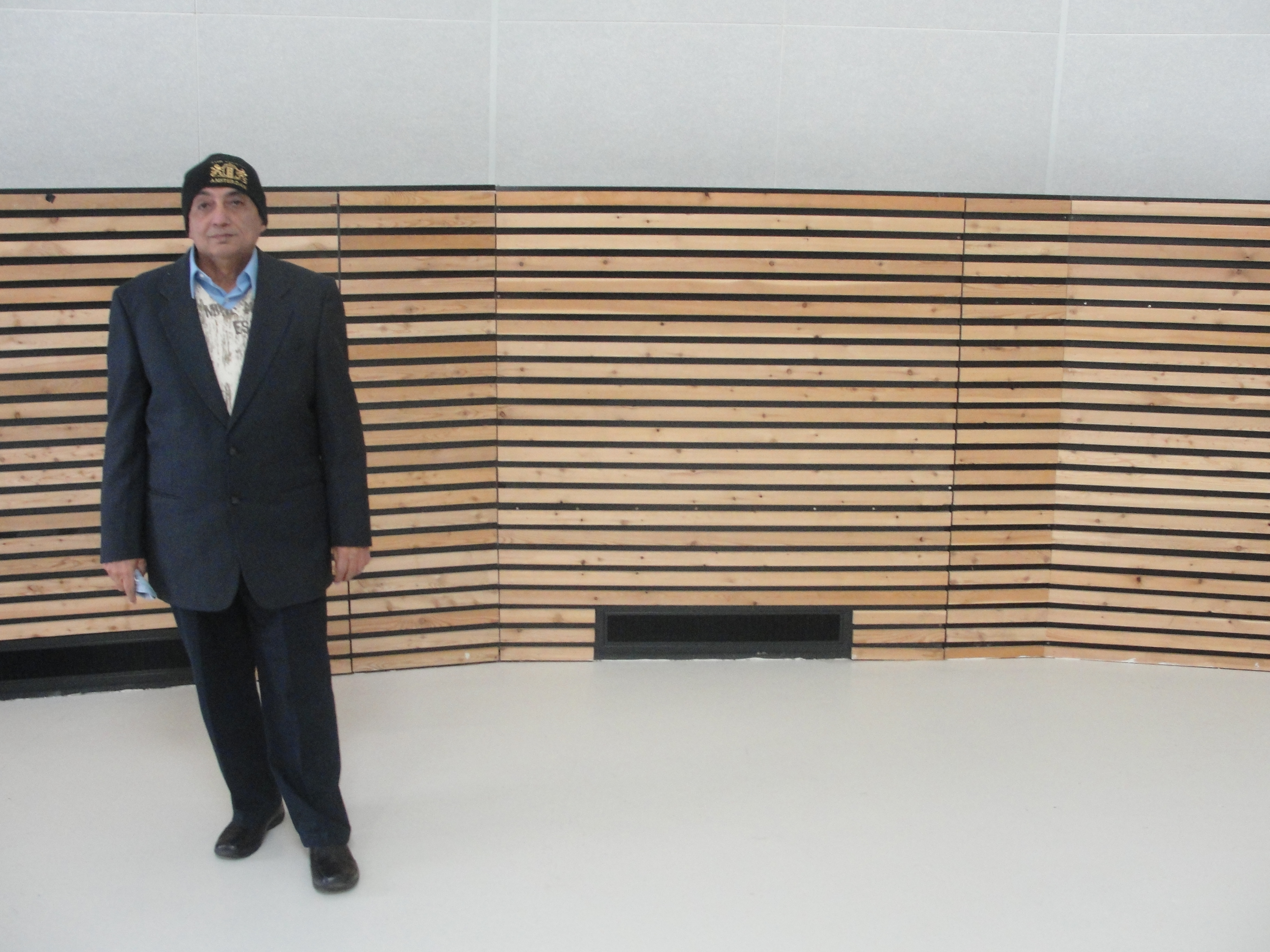

PCM Phase Change Material Cooled AC Air Conditioning done in Netherlands
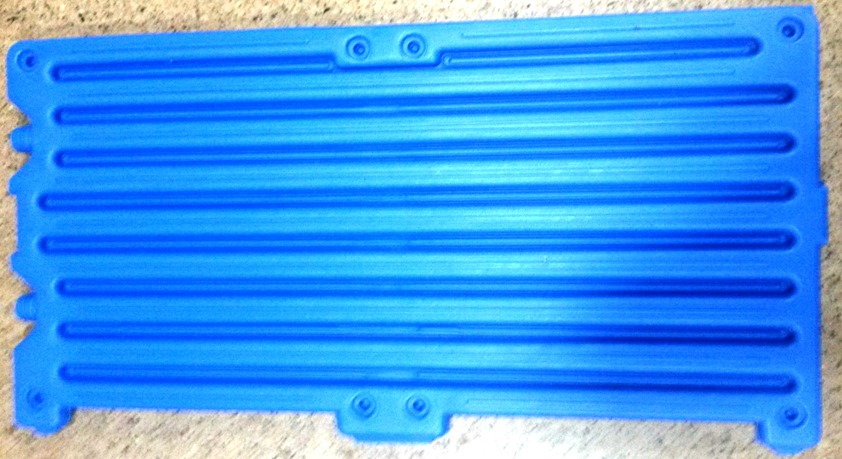
Stackable HDPE Heat Exchange Panels.
We are exporters to USA, Canada, UAE, Europe, South Africa, Tanzania, Kenya, Nigeria, Egypt, Uganda, Turkey, Mexico, Brazil, Chile, Argentina, Dubai, Sweden, Finland, Norway, Netherlands, Denmark Greenland, Norway, UK, Ireland, Germany, Belgium, Switzerland, Czech Rep., Slovakia, Scotland, Poland, Belarus, Germany, Austria, France, Ukraine, Australia, Spain, Italy, Vietnam, Thailand, etc.
Barter
They who love thee on this earth, keep calling on thee and chanting thy beads
Lest thou forgetest.
They assign the credit of their hard work to your blessings
They keep you amused.
They come to thy temple with baskets of fruits, as if you were a glutton
They deny the same to their children.
They offer you milk for a bath and burn the ghee
They hardly understand the meaning of it.
They bring gold and diamonds. They come with beating of drums
They love to advertise their offerings.
They offer you a small bribe as advance for booty, called lottery
They love to dream.
I do not bow down at your door
I do not bargain for booty
Your promise of the heaven does not lure me
Your hell-fire does not scare me
I do not even know the proper method of prayer
I do not offer any thing to you
Ages have gone by and I have not seen you my lord
Yet my love for you keeps waiting for you